
We all seek to make a difference in this world. Making a difference provides purpose to our lives. It is the sense of our becoming. We teach by making a difference. We teach how to make a difference. Difference makes the world go around. We do not want to live in an amorphously equal world, in which we cannot differentiate between you and me and between this and that. Self-evidently, we seek a more just and equal world, but this does not imply that we seek a world without differences; it only implies that, irrespective of the differences, we seek equal rights for these differences and a recognition of these differences. If we need to undergo a medical operation, it does make a difference if a surgeon is educated as a surgeon or as a car mechanic. The other way around, if we need to get our car repaired, we would probably prefer the car mechanic and not the surgeon to do the job. Of course, both professions are highly respected and  needed, but they are different. Not every teacher is a great and inspiring teacher. Others might be good listeners and coaches, or boring but intellectually challenging. Not every student has the same talents. Some might become great surgeons, others might become great mechanics. They are not equal, and their distinctions are apparent and can be assessed. Not to disqualify or devalue anybody, but to acknowledge differences and to ensure that they all find their own place and role and to stimulate them to further develop their specific talents.
Nowadays, we note that at university some call for getting rid of testing and grades, getting rid of distinctions (judicia), and assume that specific qualifications, competences and experiences do not make a difference. Their slogan is: ‘everyone professor !!’. But like in the case of a medical treatment, we surely are happy if that treatment is conducted by a qualified person, and not by anyone. Although there are good reasons for critical reflection on our didactic models and ways of coaching our students and PhD candidates, this call and this slogan are rather unnuanced and partly contradictory and counterproductive. As e.g. Noel de Miranda recently noted, the ‘everyone professor’ movement touches on key issues such as responsibility, supervising skills, mentorship, and training. Given the pivotal role of supervision quality during the challenging journey of a PhD project, the Everyone Professor initiative, and particularly the Right to Promote, cannot be universally and equally applied to ‘everyone’. One needs to differentiate. We need to make a difference!

Not all faculty members, whether Assistant or Associate Professors or also Full Professors, are, in the same way, suited to provide the level of guidance necessary for a successful PhD experience. Extending the Right to Promote must therefore include a thorough evaluation of supervisory capabilities, along with provisions for training and mentorship. I do not know of University Professors who do not regularly make use of these opportunities for critical (self-)reflection, training and further development of their supervising skills. A general accusation against professors of being poor supervisors or even abusing their position does no justice to reality, even if, in some exceptional cases, it might be justified. We should, therefore, avoid the uncritical use of these populist slogans. A good, empathic advice to or a critical probe of a PhD student is not, by definition, an offence or an abuse of power. Also, the praise and stimulation of outstanding work are not by definition unjustified. On the contrary, this is a crucial element of good supervision.
In that sense, I have always regretted every loss of opportunities to make these kinds of motivating distinctions, and I am proud of all my PhD students who were positively assessed by the independent experts in the ‘manuscript committee’ and also successfully defended their PhD thesis in the face of a large panel of ‘opponents’. It was all equally well deserved! Of course, some of these PhD students received even bigger praise and stimulation for their further career by being granted the judicium ‘Cum Laude‘ for their performance after a special cum-laude committee of independent experts assessed the PhD thesis as ranking in the top 10% of all PhD-Theses. 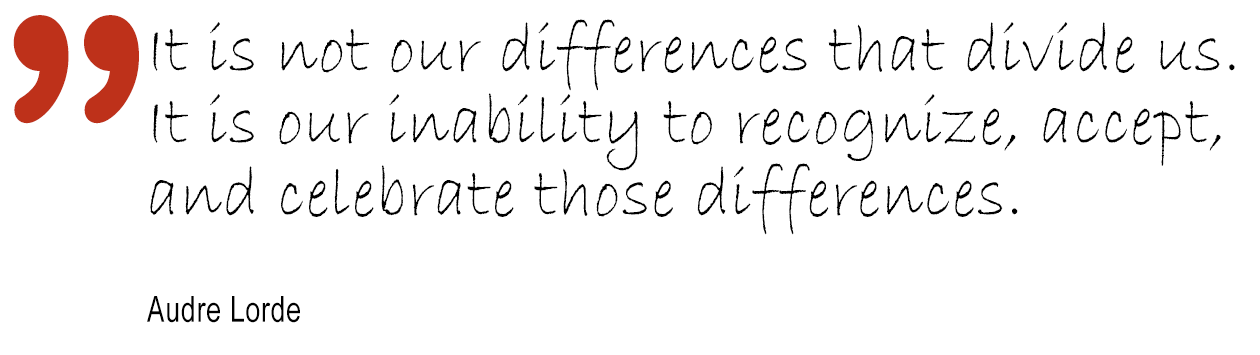 These kinds of assessment procedures are commonly thoroughly set up and comprise all kinds of rigorous checks and balances. Making a difference in our teaching and supervision can lead to these great achievements. Differences in qualification and experience, as well as in the responsibilities of supervisors in this process, deserve to be taken into account. No, not everybody can be a professor, and there are many differences between professors. But even with the best supervisors, it is, of course, foremost the achievement of the PhD candidate which deserves the praise.
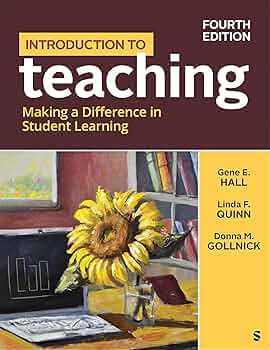 The same is true for student qualification and the respective judicia. They are not disqualifications but qualifications and important stimuli and encouragements for further development and differentiation in the positive sense of the word. Yes, we want to make a (positive) difference!! We need to make a difference if we want to be good teachers and help students to make a difference in the world, as also Gene, E. Hall, Linda F. Quinn and Donna M. Gollnick assert in their seminal Introduction to teaching: making a difference in student learning (2025 4th edn.).
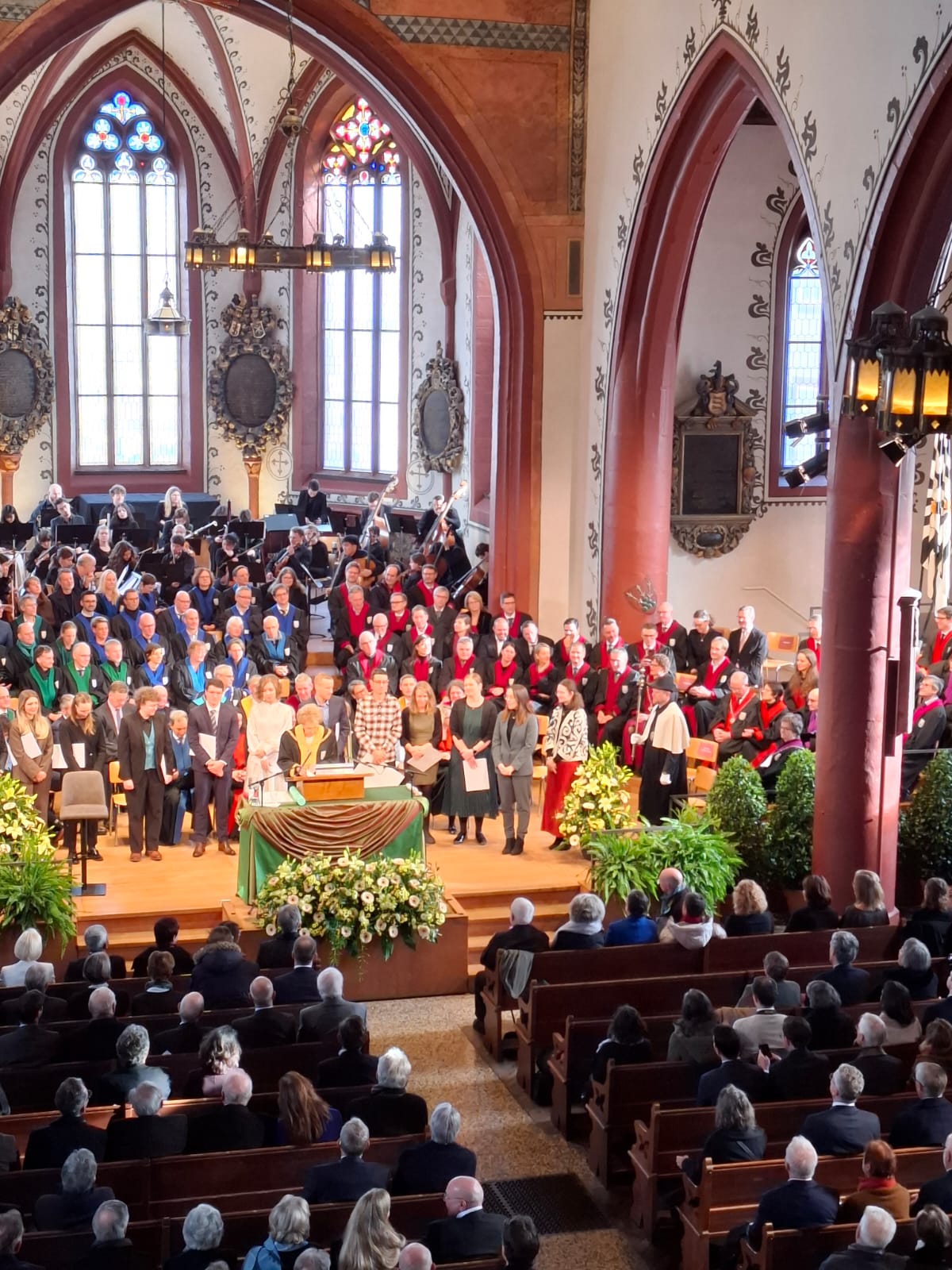
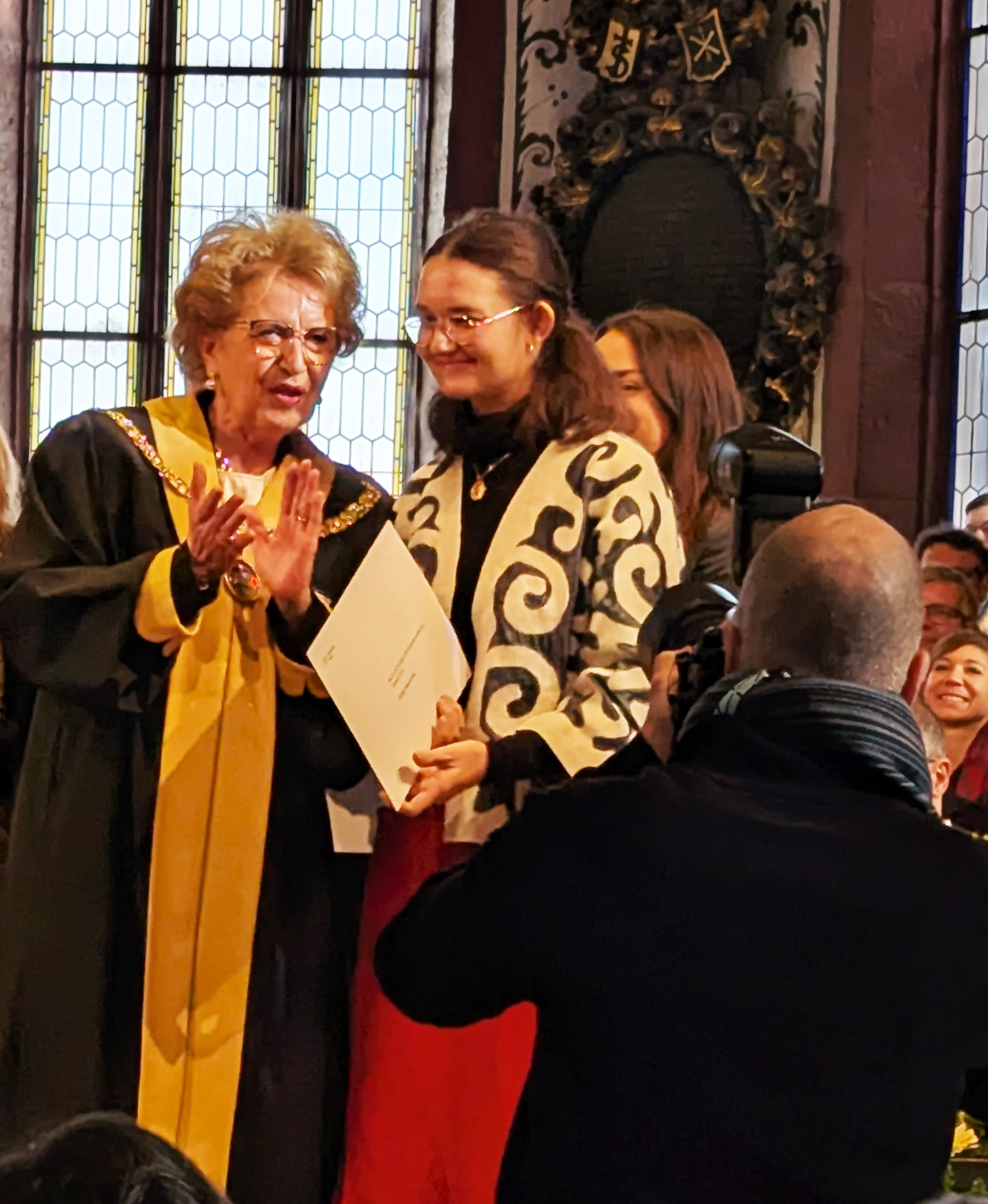
Given these insights, it made me extra proud when my daughter, Michèle Ernste, was honoured with a Master’s Thesis prize, which was handed to her by the Rector on the occasion of the Dies Academicus of the University of Basel in Switzerland on November 28, 2025. That makes a difference, and we should take every opportunity to celebrate the differences out of which our world is constituted. We do want to make a difference!
References:
Hall, G.E., Quinn, L.F. & Gollnick, D.M. (2025 4th edn.) Introduction to teaching: making a difference in student learning. Sage, London.
Stanford Teaching Commons (n.d.) Growth Mindset and Enhanced Learning: https://teachingcommons.stanford.edu/teaching-guides/foundations-course-design/learning-activities/growth-mindset-and-enhanced-learning
Hattie, J.A.C. (2003) Teachers make a difference: What is the research evidence? Paper
presented at the Building Teacher Quality: What does the research tell us ACER Research Conference,
Melbourne, Australia. http://research.acer.edu.au/research_conference_2003/4/


